
Building a successful author career isn’t just about writing great books—it’s also about building a platform that helps you reach and connect with readers.
Social media can be flashy and fun, but algorithms change, accounts get lost, and your reach is never guaranteed. That’s why your email newsletter is one of the most powerful marketing tools you can have. It is a core part of a successful author marketing plan.
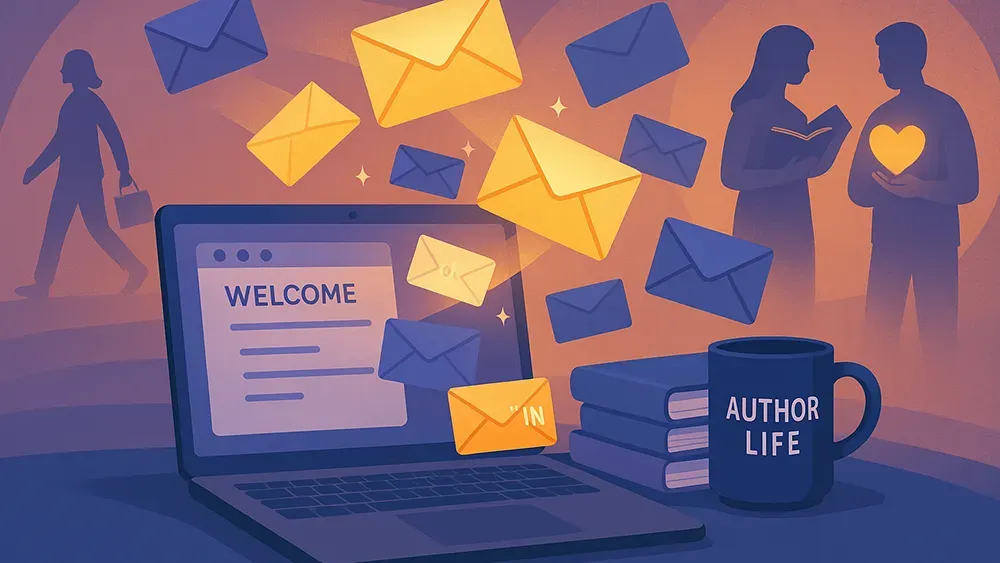
Unlike social media, your email list belongs to you. It’s a direct line to readers who want to hear from you, and it can become the heart of your author platform. A strong newsletter keeps your audience engaged between book launches, helps you build lasting relationships, and can even boost sales when it’s time to promote your work.
But here’s the catch: getting people to sign up is only the first step. The real magic happens when you send emails that readers actually look forward to opening. In this post, we’ll break down how to create an author newsletter that feels authentic, delivers value, and keeps your fans excited for every message you send.
Find the Right Sending Frequency (and be Consistent)
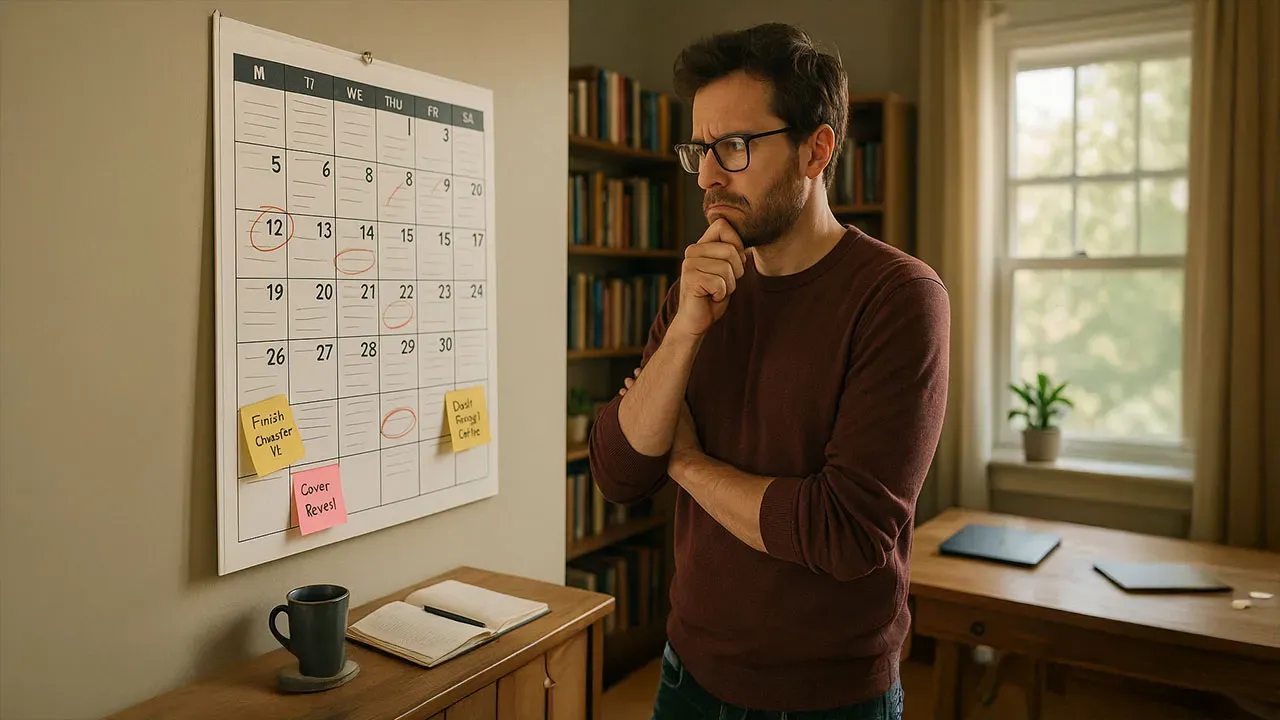
One of the first questions authors ask is, “How often should I send my author email newsletter?” The sweet spot can vary, but most authors find success somewhere between once a month and once a week. Monthly is especially popular—it strikes a balance where you stay on readers’ radar without overwhelming them, and it often leads to strong engagement.
If you have a busy release schedule or lots of exciting updates, you might choose to email every other week or even weekly. That’s fine too—the key is to set expectations with your readers and then stick to a schedule. Consistency builds trust and helps readers remember you. If you only email sporadically, subscribers might forget who you are and assume your messages are spam.
On the other hand, emailing too often (like daily) is usually a fast track to burnout and unsubscribes—unless your content is extraordinary and readers know to expect it. A good rule of thumb: no less than once a month, and no more than twice a week.
For most authors, monthly or biweekly is a great place to start. You can also be flexible when the occasion calls for it—for example, sending a few extra messages around a book launch (cover reveal, release day, special bonus content). Readers are generally fine with a burst of emails if you explain what’s happening, like: “During my new release, I’ll be emailing a little more often with fun extras.” After launch week, just return to your regular rhythm.
Some authors even state their schedule in the welcome email—“I send on the first Friday of every month” or “Expect me every other Wednesday.” That simple step sets clear expectations and helps train readers to look forward to your emails.
Craft Attention-Grabbing, Authentic Subject Lines
Your subject line is the very first thing readers see—and often the deciding factor in whether they open your email. It needs to spark curiosity without veering into spammy or clickbait territory.
Keep it short, enticing, and true to your voice. Instead of something bland like “October Newsletter #10,” try a subject that feels more personal or playful: “I have a confession (and a new story for you)” or “Cover Reveal: First look at [Book Title]!” You can also use questions to draw readers in—“Which character almost didn’t survive my next book?”—as long as your email delivers on the promise.
Avoid ALL CAPS or overused words like “FREE $$$!!!” that scream spam. A better strategy is to highlight the value or emotion behind your email. If you’re sharing a funny story, hint at the punchline: “That time I accidentally wrote my villain into a corner…” If you’re offering a holiday discount, keep it warm and inviting: “A holiday gift for you: 50% off [Book].”
Consistency matters too. If your author brand leans witty, let your subject lines reflect that. Over time, readers will recognize your style and look forward to your emails. You can also experiment with different approaches—many platforms let you test two subject lines to see which one resonates more.
Above all, be genuine. The best subject lines feel like they’re coming from a real person, not a marketing machine. Spark curiosity, hint at the value inside, and always deliver on what you promise.
💡 Need inspiration? Here are some plug-and-play examples you can adapt for your own newsletters:
Example Subject Lines for Author Email Newsletters
For a new release:
It’s here: [Book Title] has officially launched!
Release day surprise inside 🎉
Meet my newest book before anyone else
For a cover reveal:
First look: The cover of [Book Title] ✨
Sneak peek: Your exclusive cover reveal
I can’t keep this secret anymore…
For a personal story or anecdote:
That time I nearly deleted my whole manuscript 😱
A behind-the-scenes moment I had to share
The mistake that turned into a plot twist
For discounts or promotions:
A little gift for you: 50% off [Book Title]
Special deal this week only (just for my readers)
Don’t miss your bonus: free short story included!
For reader engagement:
Which character should get their own spin-off?
Quick poll: What should I write next?
Your opinion matters—help me choose!
For seasonal or holiday updates:
A cozy winter story to warm your weekend ❄️
Happy holidays + a surprise inside
Summer reading: my top 3 recommendations
Offer Content Your Readers Can’t Wait To Read
This is the heart of it: if your newsletters are consistently interesting, useful, or entertaining, your subscribers will keep opening them. So, what do you put in your emails? The short answer: provide value. The long answer: mix it up with content that engages, informs, or delights your particular audience. Here are some proven content ideas for author newsletters (you don’t have to include all of these every time – pick and choose what fits you and your readers):
Updates On Your Writing And Books
Readers absolutely want to hear about your work. New releases, works-in-progress, cover reveals, title announcements, release dates, updates to your author website—it’s all exciting to them. When you have a book coming out, you can build anticipation with fun lead-ups: share the cover reveal exclusively with your subscribers, tease the blurb, or even give them a sneak peek at the first chapter.
Even if your release is still months away, bring readers along for the ride by sharing behind-the-scenes progress. Little updates like “Draft one is done!” or “I’m currently battling through revisions—send caffeine!” make subscribers feel like they’re part of your creative journey. And don’t be shy about celebrating milestones. Whether you’ve finished a manuscript, received an edit letter, or landed on a bestseller list, your readers will love cheering you on.
Personal Stories And Behind-the-scenes Peeks
One of the biggest reasons people sign up for your newsletter is to connect with you as a person, not just as an author. Sharing a little bit of your world outside the books makes readers feel closer to you—and keeps them coming back.
Personal touches go a long way. You might share an anecdote from your travels, a funny moment from your writing day, or even a snapshot of your pet who insists on “helping” at the keyboard. Some authors include family updates, a recipe they’ve tried, or a glimpse of their writing space. These small, authentic moments help your readers feel like they know you.
Behind-the-scenes content is also a goldmine. Think research notes, story inspirations, character sketches, deleted scenes, or even writing “bloopers.” Fantasy authors could share a map of their world or a character family tree, while nonfiction authors might include an interesting fact or extra detail that didn’t make it into the book. This kind of insider content makes readers feel special—like they’re part of the creative process.
Just be mindful of spoilers. If you’re sharing something that gives away a major plot point, either add a warning or make it an optional click-through. That way, readers can choose their level of sneak peek.
Offer Exclusive Or Bonus Content
One of the best ways to keep readers excited about your newsletter is by giving them something they can’t get anywhere else. Think of your email list as a VIP club—where subscribers get special perks just for being on the inside.
This could be a free bonus chapter, an epilogue, invitations to your book launch parties, or even a short story that’s only available to your email readers. Some authors share flash fiction or fun side stories from their worlds, while others host subscriber-only Q&As where readers can ask questions and get answers straight from the author.
You can also offer sneak peeks, like revealing a new cover or sharing an excerpt months before the general public sees it. And if you have merchandise or bookish goodies, consider surprising your subscribers with occasional giveaways. All of these ideas can complement your book pricing strategy.
The key is to make your readers feel rewarded and appreciated—like they’re part of an exclusive circle that gets early access and insider treats.
Share Recommendations And Curated Content
A great newsletter isn’t just about promoting your own books—it’s also about giving readers something extra they’ll genuinely enjoy. One simple way to do this is by sharing recommendations.
Start with books. Since most writers are also big readers, why not highlight what you’re currently loving? You could include a quick feature like “3 Books I Enjoyed This Month” with a short sentence or two about each. Readers appreciate suggestions, and it also shows that you’re engaged with your genre and community.
But you don’t have to stop at books. Share a favorite TV show, podcast, song, or even a random fun fact that made you smile. Some authors dedicate a regular section of their newsletter to “What I’m enjoying lately”—a simple, authentic way to add value.
If you want to keep it light, you could share just one cool thing in each email—a quote, a link, or something inspiring. Over time, readers will come to look forward to your picks, and it helps your newsletter feel less like a sales pitch and more like a conversation.
If you’re not sure what to share, here are some quick ideas you can sprinkle into your newsletters. Mix and match, and over time you’ll find the style that feels most natural for you and your readers:
Curated Content Ideas for Your Author Newsletter
📚 Books you loved recently (with a short note on why)
🎧 Podcasts you’re listening to
📺 Shows or movies you’re watching
🎵 Music playlists or songs on repeat
✍️ Favorite quotes (literary, inspirational, or funny)
🌍 Interesting articles, links, or resources
📸 Photos from your travels, hikes, or everyday life
🛠️ Tools or apps you find helpful (writing, productivity, design, etc.)
🍲 Recipes you tried and enjoyed
💡 Fun facts or trivia (bonus points if it relates to your genre)
🎨 Creative inspiration (art, images, or ideas that sparked you)
The goal isn’t to overwhelm readers with everything at once, but to give them little gems that make your emails feel like a treat to open—building trust, connection, and loyalty along the way.
Make Your Emails Interactive
Email doesn’t have to be a one-way street. Inviting your readers to engage with you is a powerful way to build connection and make your newsletter more fun.
You can include a quick poll or survey (many email services make this easy), or ask readers to reply with their thoughts. For example, if you’re torn between two character names or debating a book title, let your subscribers weigh in—they’ll love having a say in your creative process.
Another idea is to add a “Reader Question of the Month.” Ask something light and engaging, like “What’s your favorite trope in romance?” or “If you could have dinner with any fictional character, who would it be?” These prompts spark conversation and give readers a reason to hit reply.
You can also run contests or challenges through your newsletter. Try a trivia question about your books, a fan art challenge, or even a meme contest. Pick a winner at random and offer a small prize, or give a shoutout in your next email.
The key is to be creative and have fun with it. Every time a reader engages, they’re building a stronger connection with you—and that makes your author email newsletter a place they’ll want to return to.
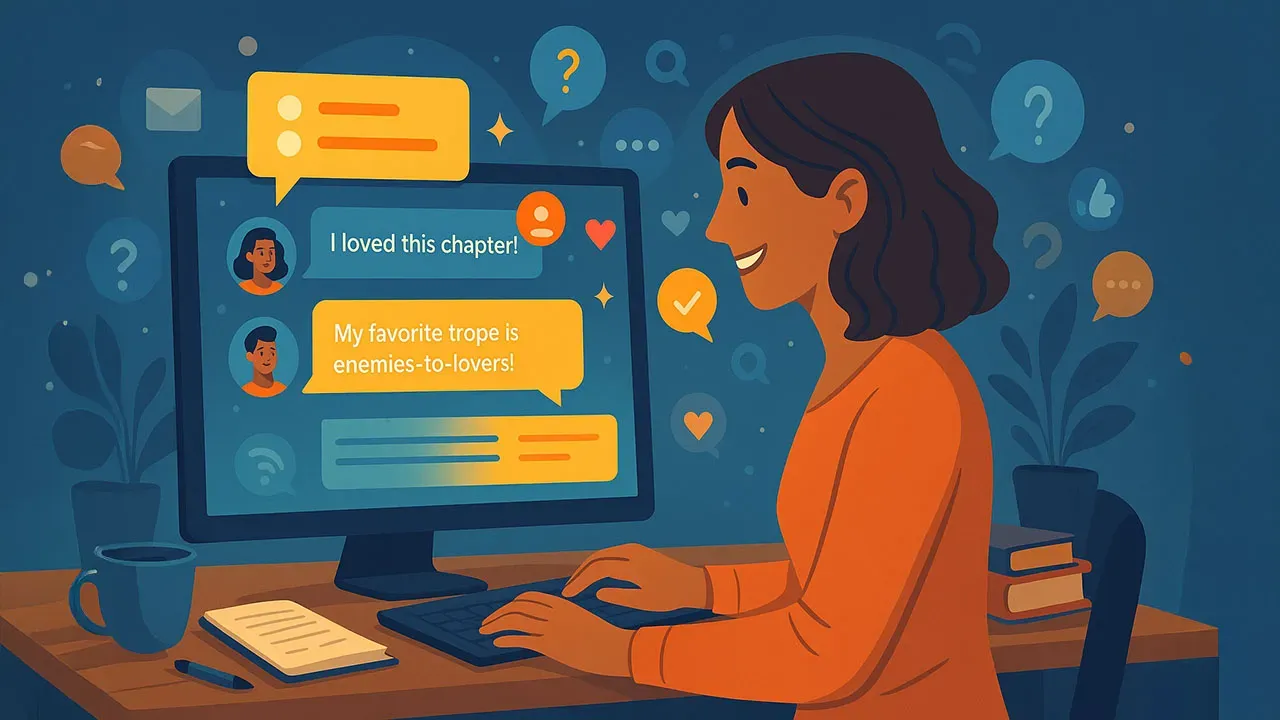
Encourage Two-Way Communication
Your newsletter doesn’t have to feel like a broadcast—it can be a conversation. Let readers know they’re welcome to hit “reply” to your emails, and make sure those replies go to an inbox you actually check.
When someone takes the time to respond—even with something simple like “I loved this chapter!”—try to send back a quick personal note. It doesn’t have to be long, but that little touch of interaction can turn casual readers into loyal fans.
As your list grows, it may not be possible to answer everyone, but even replying to a handful of messages from each newsletter can make a big difference. Not only does it build strong connections, but reader feedback can give you valuable insights into what they enjoy most.
Think of your newsletter less as a megaphone and more as a friendly chat with your audience. That mindset shift will shape the way you write—and readers will feel the difference.
Be Authentic and Let Your Personality Shine
The best author newsletters don’t feel like a marketing blast—they feel like a friendly note from someone you enjoy hearing from. That means writing in your natural voice, the way you’d talk to a passionate reader in person. If you’re goofy, be goofy; if you’re thoughtful and poetic, lean into that. Authenticity is what makes readers connect with you.
When you share updates, don’t be afraid to include little stories, enthusiasm, or even frustrations. If something funny or embarrassing happens while writing, let readers in on it. If you’re struggling with revisions, giving a peek behind the curtain can make your process feel relatable—and readers will often appreciate your work even more.
Over time, showing up consistently with genuine updates builds trust. If you only send emails when you’re asking readers to buy something, it can feel transactional. But when you balance book news with authentic, engaging content, subscribers will look forward to your messages—and be more excited when you do have something to sell.
Focus on the Reader’s Experience
Authenticity is powerful, but a newsletter isn’t your personal diary. Every email should still provide value to the reader. A helpful way to frame it is to ask: “If I received this email, would I enjoy it? What’s in it for me?”
Respect your readers’ time by keeping emails concise, or at least easy to skim. Break long paragraphs into shorter ones, use bold text for key points, and don’t be afraid of bullet lists or headings. A few hundred words is often plenty—rarely will anyone complain that your email was too short.
You can also make your newsletter more reader-friendly by giving it a clear structure. Many successful newsletters include consistent sections readers can expect each time, such as:
Conclusion and Your Call-To-Action
In summary: To create a newsletter that readers genuinely open and enjoy, focus on four things: consistency, engagement, authenticity, and putting the reader first. Do that, and your open rates will rise, your click-throughs will strengthen, and your list will feel like a true community—not just a collection of names.
A strong newsletter keeps your hard-won readers connected to you, builds lasting loyalty, and helps ensure they’ll be around not just for your next book, but for many more to come.
If you really want to become a writer, don’t wait—start building or refining your newsletter today. Your future readers are already waiting to hear from you.
Frequently Asked Questions (FAQs)
It depends on how different your audiences are. If you write across genres that attract similar readers—say, romance and romantic suspense—one list usually works fine. You can simply segment your readers with tags or ask them what kind of content they’d like when they sign up. That way, someone who only wants updates about your suspense novels doesn’t feel overwhelmed by romance-only news (and vice versa).
However, if your genres are drastically different—like children’s books and horror—it may be better to keep completely separate lists. The tone, content, and audience expectations are just too far apart to merge smoothly. Ultimately, your goal is to make subscribers feel like every email they get from you is relevant and enjoyable. If combining genres risks confusing or frustrating readers, separate lists will serve you better.
The task of growing an email list can seem daunting to authors. Start by offering a reader magnet (like a free short story or bonus chapter), promote your signup link on your website and social media, and mention your newsletter in the back of your books.
You might also consider joining giveaway sites, such as Book Funnel or Story Origin. When bringing in new subscribers from any giveaway, be sure to use an effective welcome series to sort the new subscribers.
If you want to dive deeper, we’ve got you covered with a comprehensive guide to building your email list.
If you are planning on running any book promotions, sending your author newsletter out at the same time can be a great way to trigger the Amazon algorithm and bring more readers to your books.
Yes—but balance is everything. Your subscribers signed up because they’re interested in your books, so it’s natural (and expected) that you’ll talk about them. But if every email feels like a sales pitch, readers may tune out or unsubscribe.
A good rule of thumb is to mix book promotion with value-driven content. Share updates on your writing process, behind-the-scenes stories, or fun personal tidbits alongside any sales news. For example, instead of sending an email that says only “Buy my new release!” you could tell a short story about how you came up with the book’s villain, include a sneak peek of a deleted scene, and then drop the buy link at the end.
Think of it like having a conversation with a friend—you wouldn’t only talk about yourself; you’d share stories, ask questions, and celebrate milestones together. By weaving in book promotions naturally with engaging, authentic content, your readers will stay excited to hear from you—and be far more likely to click when you do have something to sell.
Not at all. In fact, many readers prefer clean, simple emails that feel personal and are easy to read on any device. Overly designed emails with heavy graphics can sometimes look more like ads than friendly notes, and they may even trigger spam filters or load poorly on mobile.
A straightforward, text-focused email with short paragraphs, clear headings, and a friendly tone often performs best. That said, a touch of design can add polish—such as a header image with your name or brand, bolded key phrases for emphasis, or a small author photo at the bottom of your signature.
Including one or two relevant images (like a book cover, event photo, or behind-the-scenes snapshot) can enhance the experience, but you don’t need to turn your newsletter into a magazine layout. What matters most is readability, consistency, and making sure the focus stays on your message.
Think of your email as a conversation: simple, clear, and easy for readers to enjoy. If you want to experiment with design, test small changes over time and see how your audience responds—but don’t feel pressured to create anything elaborate.